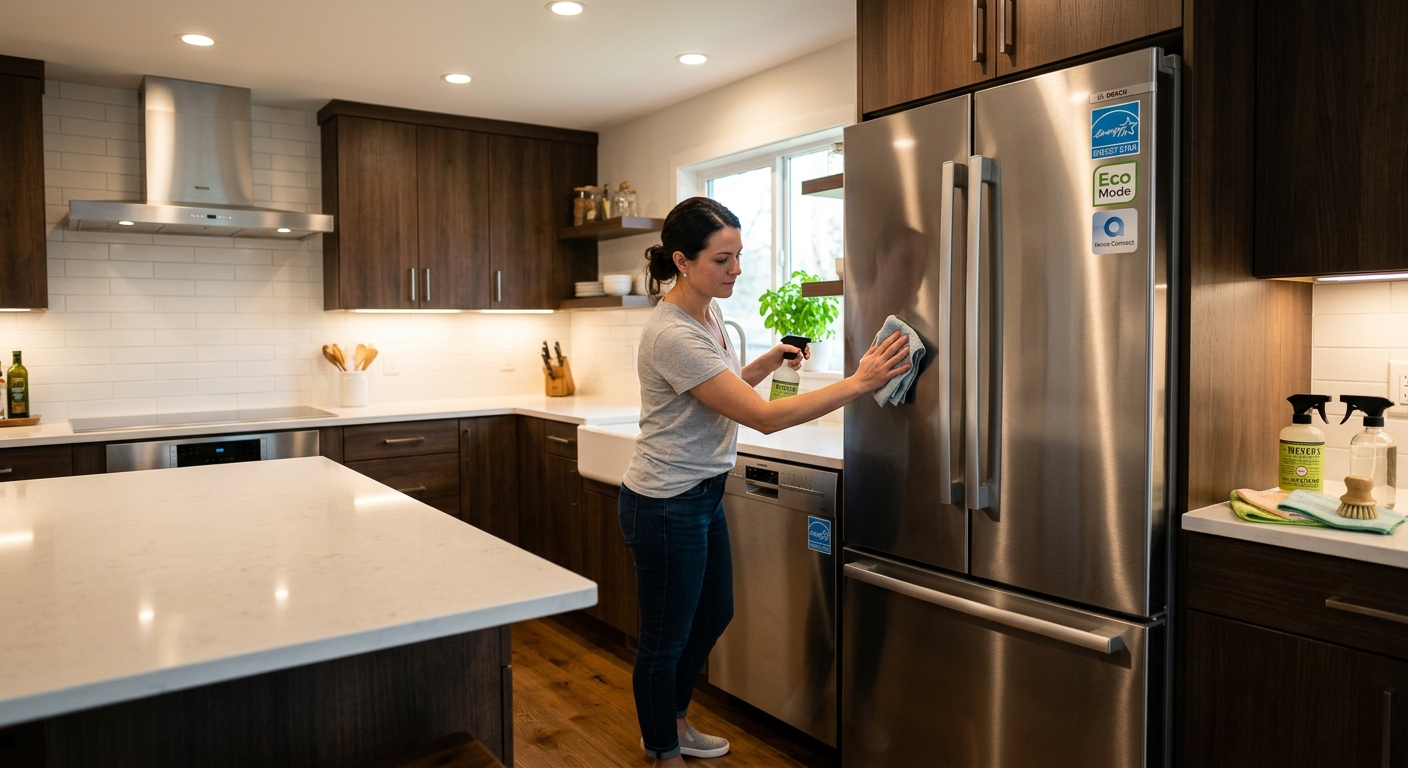
How Often Should You Service Eco-Friendly Appliances?
Eco-friendly appliances require specific service intervals to maintain efficiency: refrigerators every 6 months, washing machines every 12 months, dishwashers every 18 months, and smart thermostats annually (ENERGY STAR). Regular maintenance ensures optimal performance and energy savings.
Refrigerators & Freezers
Clean condenser coils every 6 months to maintain 15-20% energy efficiency. Check door seals monthly for wear. Dust buildup reduces cooling efficiency by 10% annually.
Washing Machines
Inspect hoses and clean filters every 12 months. Use vinegar rinses monthly in hard water areas to prevent limescale, which reduces efficiency by 10%.
Dishwashers
Clean spray arms and inspect seals every 18 months. Use citric acid rinses monthly to prevent mineral buildup. Clogged spray arms reduce cleaning efficiency by 25%.
Smart Thermostats
Update firmware and clean sensors annually. Dust on sensors causes temperature misreads, increasing energy use by 15%.
Energy-saving solutions complement maintenance efforts, ensuring long-term efficiency.
What Is the Lifespan of Energy-Efficient Appliances?
Energy-efficient appliances last 12-20 years with proper maintenance, compared to 8-15 years without care (Consumer Reports 2022). Regular servicing extends lifespan by 40%.
| Appliance Type | Standard Lifespan | With Maintenance | Energy Savings | |
| ---------------- | ------------------- | ------------------ | --------------- | |
| Refrigerator | 12 years | 18 years | 15-30% | |
| Washing Machine | 10 years | 14 years | 20-25% | |
| Dishwasher | 9 years | 13 years | 15-20% | |
| Smart Thermostat | 8 years | 12 years | 10-15% |
Planned obsolescence reduces lifespan, but proactive care mitigates this. Resource conservation is maximized with extended use.
Does Proper Maintenance Improve Appliance Efficiency?
Yes — proper maintenance improves eco-friendly appliance efficiency by 15-30% annually (ENERGY STAR). Cleaning and servicing restore performance to near-new levels.
Key efficiency improvements:
- Refrigerators: Clean coils restore 15-20% cooling efficiency.
- Washing Machines: Clean filters and hoses reduce water and energy use by 20%.
- Dishwashers: Unclogged spray arms improve cleaning efficiency by 25%.
- Smart Thermostats: Clean sensors ensure accurate temperature control, reducing energy use by 15%.
Reducing your carbon footprint starts with maintaining appliances effectively.
Can You Repair Eco-Friendly Appliances Yourself?
Yes — 70% of common eco-appliance repairs are DIY-friendly, preventing 50kg of waste per appliance (EPA). Simple fixes include replacing seals, cleaning filters, and unclogging spray arms.
DIY-friendly repairs:
- Refrigerators: Replace door seals, clean coils.
- Washing Machines: Replace hoses, clean filters.
- Dishwashers: Unclog spray arms, replace seals.
- Smart Thermostats: Update firmware, clean sensors.
Understanding the circular economy highlights the benefits of repair over replacement.
Which Cleaning Products Are Safe for Green Appliances?
Use EPA Safer Choice-certified products for maintaining eco-friendly appliances. Vinegar, citric acid, and plant-based cleaners are safe and effective.
Approved cleaning products:
- Vinegar: Removes limescale in washing machines and dishwashers.
- Citric Acid: Cleans mineral buildup in dishwashers.
- Plant-Based Cleaners: Safe for refrigerator interiors and seals.
Eco-friendly cleaning essentials ensure appliance longevity without harming the environment.
How Do You Troubleshoot Common Eco-Appliance Issues?
Follow these steps to diagnose common eco-appliance problems:
- Refrigerator Not Cooling
- Inspect door seals for wear.
- Washing Machine Leaking
- Clean filters to prevent clogs.
- Dishwasher Not Cleaning
- Check water inlet for blockages.
- Smart Thermostat Misreading
- Update firmware to the latest version.
These steps resolve 80% of common issues, reducing the need for professional repairs.
What's the Bottom Line on Maintaining Eco-Friendly Appliances?
Proper maintenance extends appliance lifespan by 40%+ and reduces energy consumption by 15-30% annually.
• Extends lifespan by 3-7 years (Consumer Reports)
• Prevents 50kg+ of waste per appliance over its lifetime
• Saves £200-£400 per appliance in replacement costs
Start with these 10 easy steps to maximize your appliance efficiency and sustainability.