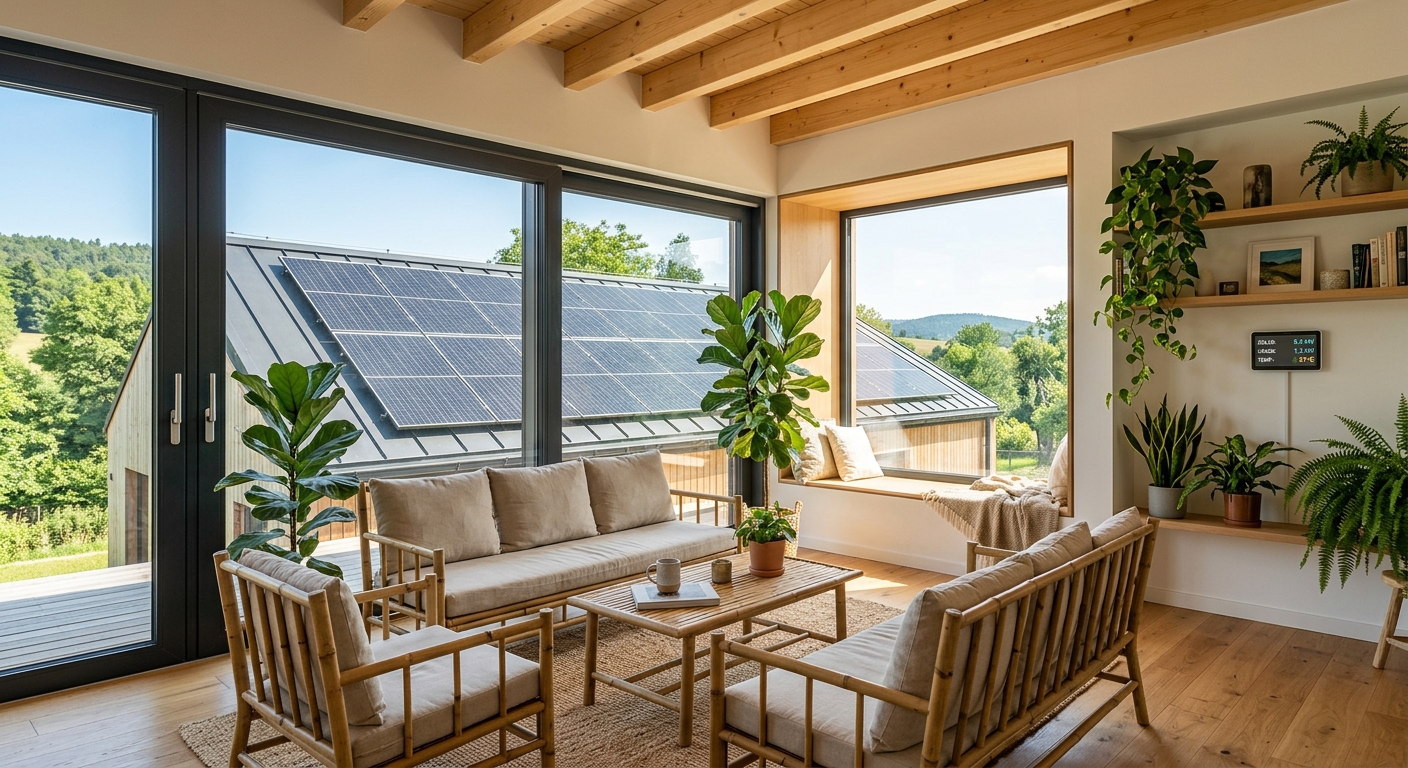
What Is the Sustainability Trend in 2026?
The sustainability trend in 2026 centers on smart home technologies, biomaterials, vertical farming, AI-driven efficiency, and personalized sustainability solutions. These innovations aim to reduce carbon footprints, conserve resources, and create self-sustaining households.
Smart home systems, like those integrating IoT sensors, are expected to optimize energy use by up to 30%, according to industry reports. Biomaterials such as mycelium and algae-based products are gaining traction for their low environmental impact and biodegradability. Vertical farming is revolutionizing urban food production, reducing transportation emissions and water usage by 70%. AI-powered efficiency tools personalize energy consumption patterns, while circular economy principles guide material reuse and waste reduction. These trends collectively redefine sustainable living.
Sustainable Household Living Guide
What Are 5 Examples of Sustainability?
Five examples of sustainability include smart home systems, biomaterials, vertical farming, AI efficiency tools, and circular economy practices.
- Smart Home Systems: Devices like Nest thermostats reduce energy use by up to 20% through automated temperature control.
- Biomaterials: Mycelium-based packaging decomposes in 30 days, offering a sustainable alternative to polystyrene.
- Vertical Farming: Farms like AeroFarms use 95% less water than traditional agriculture, producing fresh produce in urban areas.
- AI Efficiency Tools: AI-powered apps like Sense monitor energy consumption, identifying inefficiencies and saving households up to 15% on bills.
- Circular Economy Practices: Companies like Patagonia recycle materials into new products, reducing waste and extending product lifecycles.
How Will Smart Homes Enhance Sustainability in 2026?
Smart homes will enhance sustainability by optimizing energy use, reducing waste, and improving resource management.
Smart home systems, such as those integrating IoT sensors, can reduce energy consumption by up to 30%, according to industry data. Automated lighting, heating, and cooling systems adjust based on occupancy and weather conditions, minimizing unnecessary usage. Smart meters provide real-time energy consumption data, enabling households to identify and address inefficiencies. Additionally, smart appliances like energy-efficient refrigerators and washing machines further reduce energy and water consumption.
Solar-Powered vs. Energy-Efficient Appliances
Which Materials Will Revolutionize Sustainable Households?
Materials like mycelium, bamboo, recycled plastics, algae-based polymers, and hemp will revolutionize sustainable households.
- Mycelium: Used for insulation and packaging, it decomposes within 30 days and requires minimal resources to grow.
- Bamboo: A fast-growing material, bamboo sequesters 35% more carbon than traditional timber and is used for flooring and furniture.
- Recycled Plastics: Brands like ECONYL transform ocean waste into durable textiles for carpets and upholstery.
- Algae-Based Polymers: These biodegradable materials are used in packaging and textiles, reducing reliance on fossil fuels.
- Hemp: Hempcrete, a building material made from hemp, offers superior insulation and carbon sequestration properties.
Bamboo vs. Recycled Plastic Household Items
Can Vertical Farming Transform Urban Sustainability?
Vertical farming can transform urban sustainability by reducing food miles, conserving water, and increasing local food production.
Vertical farms use 95% less water than traditional agriculture and eliminate the need for pesticides, according to industry studies. By growing food in urban centers, vertical farming reduces transportation emissions and ensures fresher produce. Systems like AeroFarms and Plenty utilize LED lighting and hydroponics to maximize yield in small spaces. This approach supports food security and reduces the environmental impact of agriculture.
Sustainable Gardening for a Greener Household
How Will AI Improve Household Efficiency?
AI will improve household efficiency by optimizing energy use, automating routines, and identifying inefficiencies.
AI-powered systems like Sense and Nest monitor energy consumption in real time, reducing household energy use by up to 20%. Machine learning algorithms adapt to user behavior, automating lighting, heating, and cooling for maximum efficiency. AI also integrates with smart appliances, ensuring they operate during off-peak hours to save costs. These technologies make sustainable living more accessible and cost-effective.
Sustainable Household Living Guide
Bottom Line: Is the Future of Sustainable Households Worth It?
The future of sustainable households 2026 is worth it for its potential to reduce environmental impact, lower costs, and improve quality of life.
• Smart home technologies optimize energy use, saving households up to 30% on bills.
• Biomaterials and circular economy practices minimize waste and extend product lifecycles.
• Vertical farming supports local food production, reducing transportation emissions and water usage.
10 Easy Steps to a More Sustainable Home
=== FAQ_SCHEMA_BLOCK ===
Q1: What are the benefits of sustainable households?
A1: Sustainable households reduce energy consumption, lower carbon footprints, and promote healthier living environments.
Q2: How can I start living sustainably at home?
A2: Begin with energy-efficient appliances, reduce waste, and use eco-friendly materials.
Q3: What is the role of technology in sustainable living?
A3: Technology enhances energy efficiency, optimizes resource use, and supports smart home systems.
Q4: Are sustainable materials more expensive?
A4: While initial costs may be higher, sustainable materials often save money in the long run through durability and efficiency.
Q5: Can small changes make a big impact on sustainability?
A5: Yes, small changes like recycling, reducing water usage, and using LED bulbs significantly contribute to sustainability.