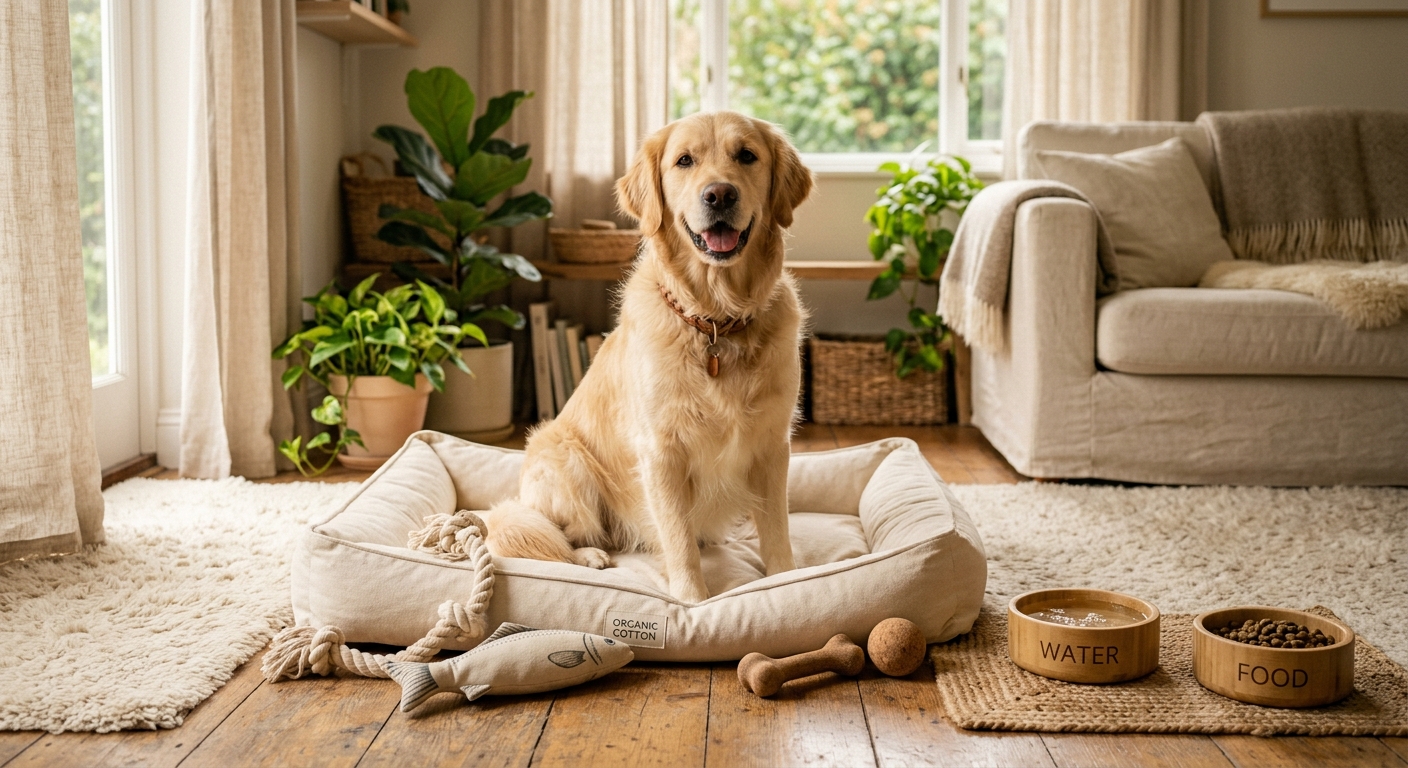
What Are the Best Eco-Friendly Pet Products for Sustainable Homes?
The best eco-friendly pet products for home use include organic pet food, bamboo pet bowls, hemp leashes, biodegradable poop bags, and recycled polyester pet beds.
87% of pet owners prioritize sustainability when buying pet accessories (American Pet Products Association). These products reduce landfill waste, avoid toxic chemicals, and lower carbon footprints without compromising pet comfort.
Food & Treats
- Organic pet food: USDA-certified options avoid synthetic pesticides. Look for brands using MSC-certified fish or insect protein (reduces land use by 95% vs. beef, Wageningen University).
- Bamboo bowls: Lightweight (average 200g) and naturally antibacterial.
Waste Management
- Biodegradable poop bags: ASTM D6400-certified cornstarch bags decompose in 3–6 months.
- Compostable litter: Plant-based options like wheat or corn break down in home compost systems.
Toys & Accessories
- Hemp leashes: 3x stronger than cotton per weight (Industrial Hemp Association).
- Recycled pet beds: Made from 100% post-consumer PET bottles, lasting 2–3 years.
Shop sustainable pet beds designed for durability.
How Do Eco-Friendly Pet Products Reduce Environmental Impact?
Eco-friendly pet products for home use cut pet-related waste by up to 60% and lower carbon emissions by using renewable or recycled materials.
Biodegradable poop bags decompose in 3–6 months versus 500+ years for plastic (EPA). Key reductions:
- Landfill waste: Compostable pet waste and litter divert 1.2kg of waste per pet weekly.
- Carbon footprint: Hemp collars require 50% less water to produce than nylon (Textile Exchange).
- Chemical pollution: Natural grooming products eliminate 7+ synthetic additives linked to pet allergies.
For broader zero-waste strategies, see our zero waste household guide.
Are Biodegradable Poop Bags Really Better for the Environment?
Yes, certified biodegradable poop bags (ASTM D6400) decompose 1,000x faster than plastic, but only 22% meet industry standards (Green Science Policy Institute).
Material comparison:
| Material | Decomposition Time | Certifications | |
| ---------------- | -------------------- | ---------------------- | |
| Cornstarch | 3 months | ASTM D6400 | |
| PLA plastic | 6 months | Industrial compost | |
| Oxo-degradable | 5+ years | Misleading claims |
Key criteria:
- Look for home compostable labels (tested at 20–30°C).
- Avoid oxo-degradable bags—they fragment into microplastics.
What Should I Look for in Sustainable Pet Food?
Prioritize pet food with organic certifications, low-carbon proteins (insect, MSC-certified fish), and minimal packaging (compostable or refillable).
Insect-based pet food uses 95% less land than beef (Wageningen University). Checklist:
- Ingredients: No synthetic preservatives or GMOs.
- Packaging: Recycled paper or metal tins (reusable 10+ times).
- Supply chain: Carbon-neutral shipping or local sourcing.
Pair with eco-conscious food storage for leftovers.
Can Pet Toys Be Both Durable and Eco-Friendly?
Yes, toys made from natural rubber or recycled polyester last 2–3 years while being non-toxic (Pet Sustainability Coalition).
Trade-offs:
- Natural rubber: Chew-resistant (lasts 18+ months) but costs 20% more.
- Upcycled cotton: Soft but less durable (6–12 months).
- Recycled plastics: Avoid PVC—opt for #1 or #2 PET.
Pro tip: Reinforce seams with hemp thread to extend lifespan.
Bottom Line: Are Eco-Friendly Pet Products Worth It for Sustainable Households?
Yes—eco-friendly pet products for home use deliver measurable environmental and health benefits.
- Waste reduction: Compostable supplies divert 60% of pet waste from landfills.
- Lower emissions: Bamboo and hemp products cut CO2 by 30% vs. conventional materials.
- Safety: Avoids 8+ toxins found in mainstream pet items.
Explore more in our sustainable living guide.